The situation facing the United States following its second surprise strike against Iran on 28 February has once again revealed that the strategic calculations made during the twelve day conflict in June 2025 were far from precise. The unfolding developments suggest that earlier assumptions in Washington may have been overly optimistic. A number of analysts have pointed out that since returning to office, President Donald Trump has made several ambitious promises concerning the Russia Ukraine war, the Middle East and other regions that remain contentious within the American political agenda. Yet despite the confident rhetoric that has accompanied these pledges, tangible results have remained elusive.
At times, it appears that President Trump may have underestimated the complexity of the challenges before him. Issues that appear deceptively straightforward on the surface often conceal layers of political and strategic difficulty. This tendency is perhaps rooted in the President’s remarkable confidence in his own instincts, a trait that has defined much of his political career.
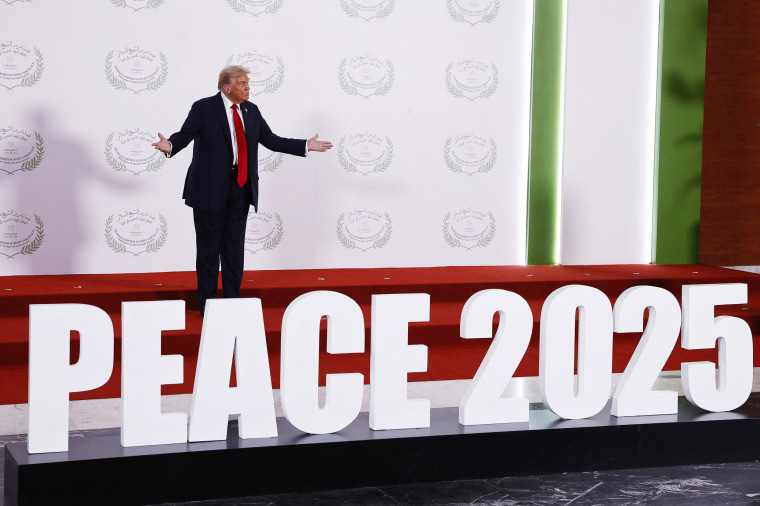
In truth, the United States had not originally placed an aggressive military plan for the Middle East at the centre of its strategic agenda. From the very first day of his administration, Trump repeatedly promised that his presidency would prioritise peace and would avoid becoming entangled in the region’s long running conflicts. Many analysts believed Washington was instead preparing for an era of economic rivalry, particularly with China, where competition in technology, trade and global influence was expected to dominate the coming decade.
However, the course of events suggests that the decision making process within the White House may be more complex than previously assumed. Public reaction across social media platforms has reflected a noticeable degree of scepticism regarding the conflict with Iran. For many observers, the war is not perceived as a carefully designed strategy initiated by Donald Trump himself, but rather as a sudden and somewhat improvised confrontation driven largely by the United States’ determination to defend Israel. Whether this interpretation fully reflects reality remains open to debate, yet it has undoubtedly shaped public perceptions of the conflict.
Ten days into the war, Washington has begun to confront a more sober assessment of what has actually been achieved. In the early stages of the campaign, President Trump asserted that American strikes on Iran’s strategic infrastructure had delivered a decisive advantage. During the first days of hostilities, reports emerged of the death of Iran’s Supreme Leader Ayatollah Ali Khamenei, and by the eighth day of the conflict the bombing of a major refinery in central Tehran was presented as evidence that the United States could exert considerable influence over the country’s internal stability.

Yet events have taken a different course. By 9 March, the tenth day of the war, it had become clear that Iran’s political system had not collapsed under pressure. Instead, the late Supreme Leader’s son, the fifty six year old Mojtaba Khamenei, had assumed the position of Supreme Leader and moved quickly to consolidate control over the country’s powerful theocratic structure. Despite the sustained bombardment and mounting external pressure, Iran’s political foundations appear to have remained intact. The resilience of the system has complicated the expectations of those who believed that military pressure alone might trigger a rapid internal transformation.
This reality now presents both the United States and Israel with the need to rethink their next steps. The moment may signal that the time has come to consider a more structured regional security architecture rather than further escalation. Such an approach would aim to create a durable framework of cooperation capable of stabilising the broader Middle East.
On 10 March, President Trump’s envoy Steve Witkoff and the President’s son in law Jared Kushner arrived in Israel for a series of discussions that may signal the beginning of a new diplomatic phase. Their presence is significant. Both figures previously attracted attention for their diplomatic initiatives during earlier international crises, including visits to Moscow during periods of tension surrounding the Russia Ukraine conflict.
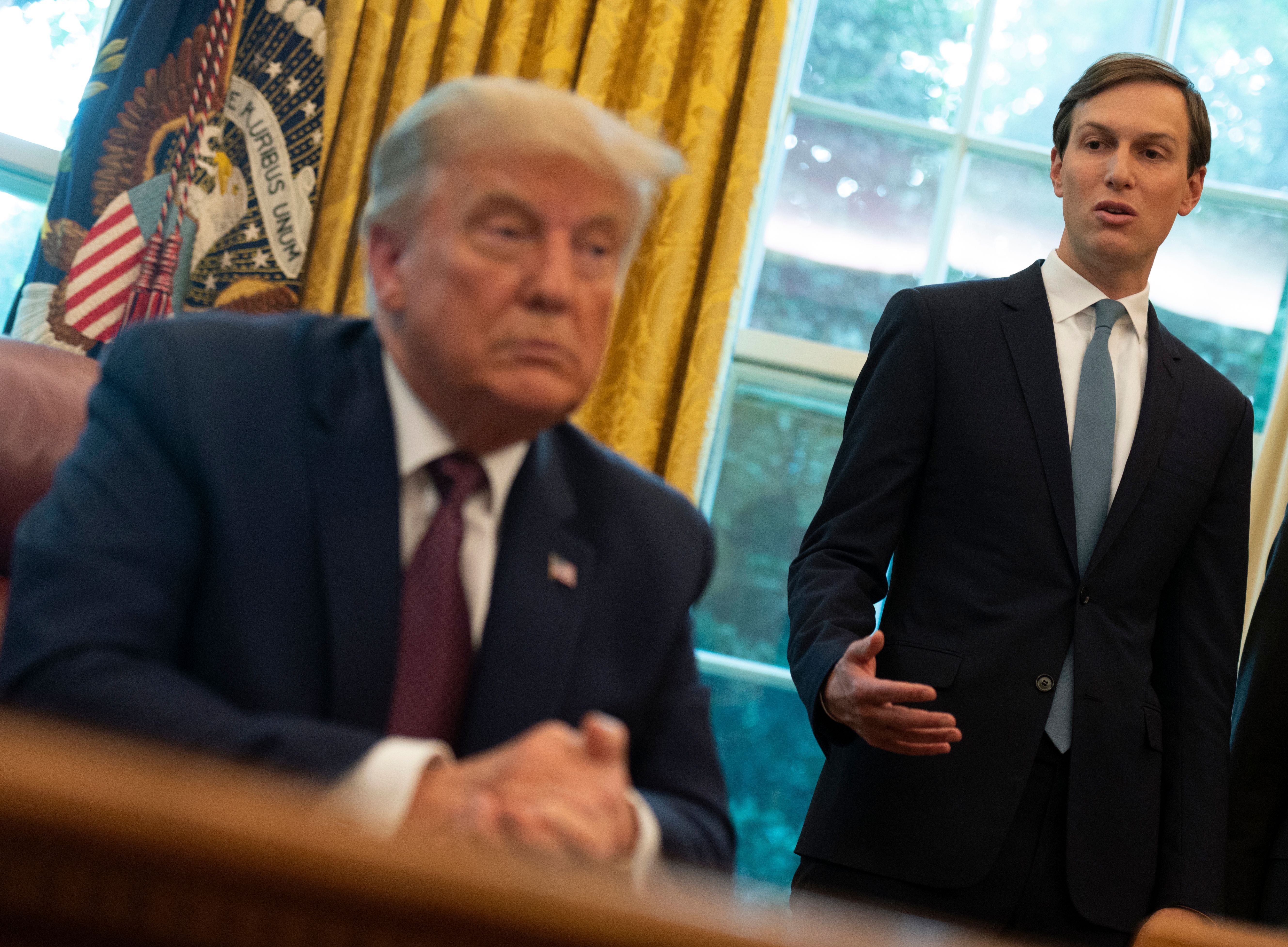
Kushner in particular remains one of the most influential figures in Washington’s informal diplomatic network. His entry onto the global stage as the principal architect of the Abraham Accords in 2020 marked a turning point in Israel’s relations with several Arab states. The agreements facilitated a notable warming of ties between Israel and countries across the Gulf, altering the diplomatic landscape of the region.
The current discussions appear to be closely connected to that framework. According to early indications, the central focus of the meetings is the possible creation of a coordinated regional security network involving states that already play a prominent role within the Abraham Accords process. Saudi Arabia, the United Arab Emirates and Bahrain are widely believed to be among the key actors under consideration. Such an arrangement would aim to strengthen collective defence mechanisms while reducing the likelihood of further uncontrolled escalation.
The war with Iran has once again demonstrated that Israel’s long term security in the region may depend less on unilateral military action and more on coordinated cooperation with Arab partners. Building a robust security framework alongside regional states could prove far more effective in countering Iran’s extensive network of proxy forces across the Middle East.
For Israel, confronting Iran and its allied militias alone carries significant strategic risks. For the United States, maintaining a prolonged and direct military presence in the region is both financially burdensome and politically difficult to sustain. In these circumstances, the coming days may determine whether Washington and its allies can realistically achieve their objectives through military means.
If the effort to weaken the Iranian leadership in Tehran ultimately fails, the United States and Israel may once again return to a more familiar strategy. This would likely involve the tightening of economic sanctions against Iran while continuing limited confrontations with Iranian backed proxy groups across the region. Such an approach would represent not a decisive resolution to the crisis, but rather a return to the long and uneasy equilibrium that has shaped Middle Eastern geopolitics for decades.

