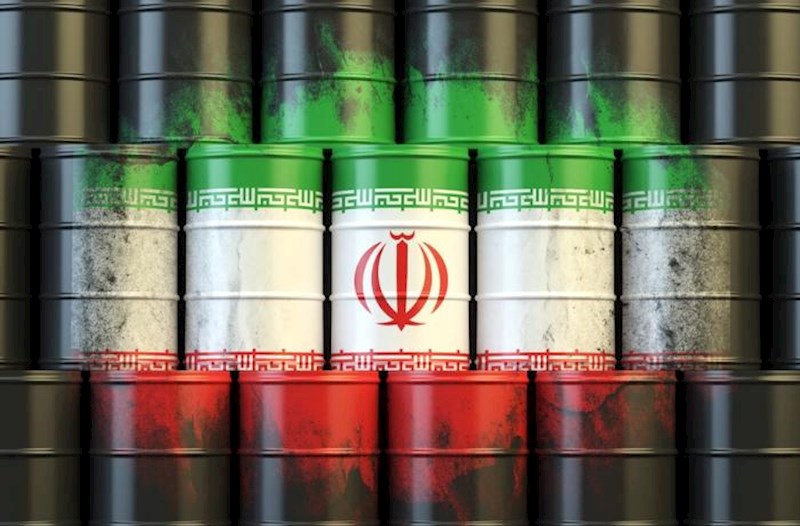
Despite increased risks in the Strait of Hormuz, Iran continues to supply oil to China.
According to Yeniavaz.com, citing the portal TankerTrackers, since February 28, which is considered the start of the war, Iran has shipped at least 11.7 million barrels of oil through the strait to China.
Due to the dangerous situation in the region, many oil tankers are reportedly traveling with their automatic identification and surveillance systems disabled. This makes it difficult for radar and overt tracking systems to detect the vessels. However, TankerTrackers was able to determine the tankers' routes using satellite imagery.
Analysts say that since the start of the conflict, Iran has begun to favor alternative logistics routes for oil exports. One such route is the Cask terminal, located south of the Strait of Hormuz in the Gulf of Oman. The Port of Cask is considered one of the few terminals providing Iran with access to the sea without passing through the strait. However, its main drawback is its low logistical efficiency. Refueling a supertanker at the Cask terminal takes approximately 10 days. On Kharg Island, considered Iran's main export hub, the process takes approximately two days.
It should be noted that the security situation in the Strait of Hormuz has significantly deteriorated in recent weeks. In less than two weeks since the start of the war, Tehran has reportedly attacked 10 foreign vessels, killing seven sailors.
Nevertheless, US President Donald Trump urged tanker companies not to hesitate to transit the strait. He stated that the Iranian navy had suffered a serious blow and the threat to merchant vessels was minimal.
However, this statement contradicts recent events. According to recent reports, a cargo ship transiting the strait was struck by a missile in recent days, forcing the crew to abandon ship. According to experts, China is rapidly increasing its oil reserves to prevent an energy shock that could arise from regional risks. In the first two months of 2026, Beijing increased oil imports by 15.8%, bringing its strategic reserves to 1.2 billion barrels. This volume is sufficient to meet the country's energy needs for approximately three to four months.
Elnur Ali

