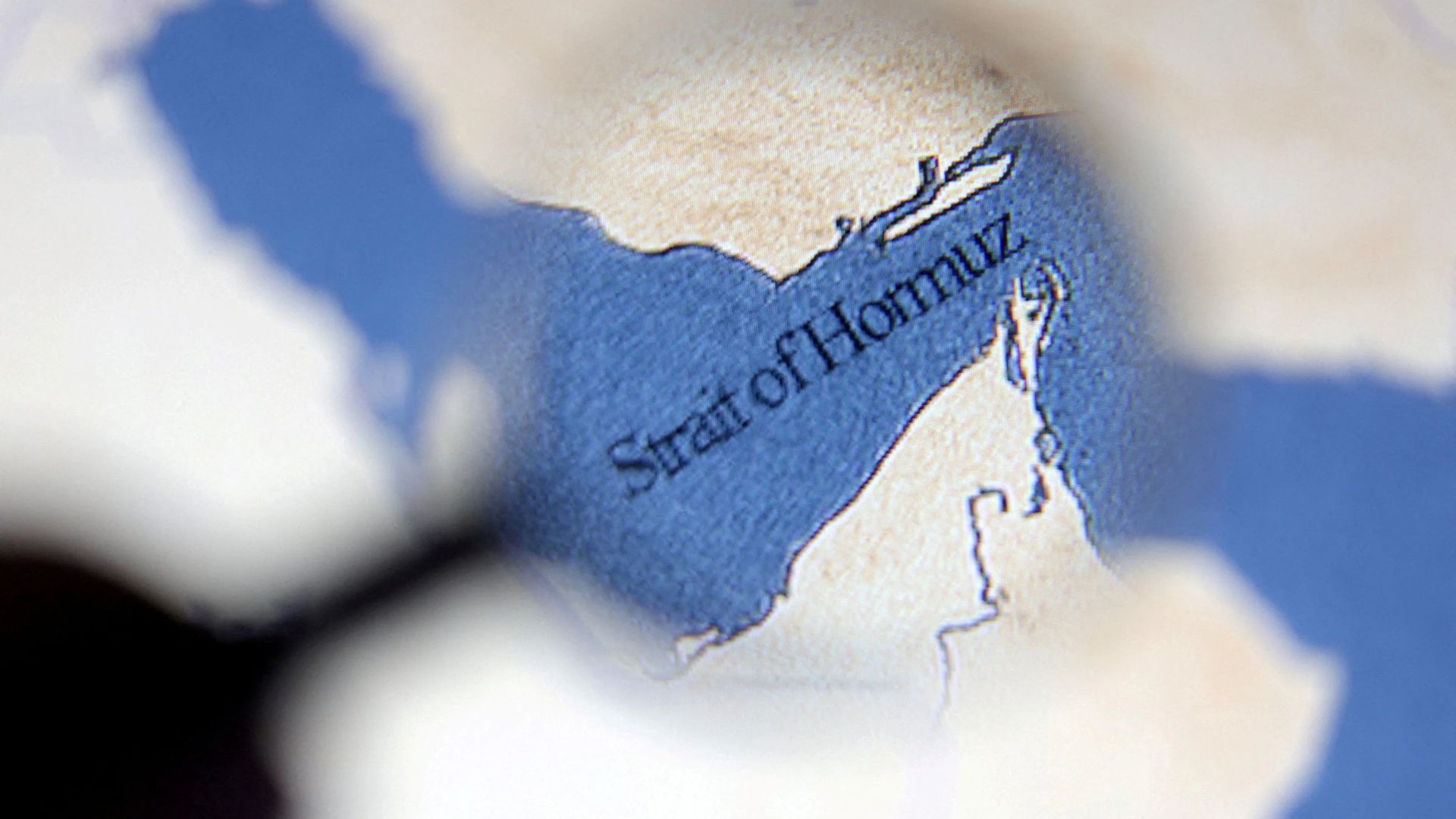
The world woke up in February 2026 to a nightmare scenario that many geopolitical analysts had warned about for decades, yet few were truly prepared to withstand. As the conflict between Israel, the United States, and Iran escalated from shadow boxing to direct, high-intensity kinetic warfare, the front lines quickly moved beyond the borders of the Middle East. Today, the battlefield is not just the deserts of the Levant or the facilities in Isfahan; it is the gas pump in Berlin, the pharmacy in Lagos, and the grain silos in Jakarta.
At the heart of this crisis lies the Strait of Hormuz. Often described as the "jugular vein" of the global economy, this narrow waterway sees nearly a third of the world’s liquefied natural gas (LNG) and a fifth of its total oil consumption pass through its waters. The recent attacks on commercial vessels in the Strait have turned a calculated geopolitical gamble into a global economic disaster.
When insurance premiums for tankers skyrocket or when shipping companies refuse to transit the region altogether, the result is instantaneous: energy prices surge. This isn't just a headache for commuters in New York or London; it is a structural threat to global industry. For Europe, which had only recently stabilized its energy markets following the shocks of the early 2020s, this 2026 escalation feels like a knockout blow. The skyrocketing costs of gas and fuel are driving up the price of everything—from the plastic in your phone to the electricity used to heat your home.
However, focusing solely on oil prices ignores a far more sinister reality. The closure of maritime routes and the grounding of cargo flights due to restricted airspace are creating a "logistical blockade" on human life. The delivery of life-saving medicines is being delayed. We are seeing a world where a conflict in one corner of the globe prevents a child in a different hemisphere from receiving basic antibiotics or insulin.
Perhaps most devastating is the impact on global food security. Modern agriculture is, quite literally, fueled by the Middle East. The region is a massive provider of the energy required for the Haber-Bosch process—the method used to create synthetic fertilizers. With the energy market in shambles, fertilizer prices have reached record highs.
For developing nations in Africa and Asia, this is a death sentence for the upcoming harvest season. If farmers cannot afford fertilizer, crop yields will plummet. We are no longer talking about "inflation"; we are talking about the potential for mass starvation and the destabilization of entire governments in the Global South.
What makes the 2026 conflict particularly dangerous is that it hit a world that had already used up its "buffers." After years of pandemic-related disruptions and previous regional tensions, global inventories were low. There is no "Plan B" when the main arteries of trade are severed.
The warnings from UNOPS must be taken as more than just bureaucratic concern. They are a call to action. The international community must recognize that every day this conflict continues, the "collateral damage" expands exponentially. The victims are not just those in the line of fire, but the millions who will fall into poverty or lose access to healthcare due to a fractured global supply chain.
The 2026 Iran-Israel-US conflict has proven that in a globalized world, isolationism is a myth. The "chokehold" on the Strait of Hormuz is a chokehold on the world's poorest and most vulnerable. If the current trajectory continues, the economic and humanitarian scars of this February escalation will outlast the military engagements themselves. We are not just watching a war; we are watching the unraveling of the modern trade order.
The question is no longer who wins the military battle, but whether the global economy can survive the peace that eventually follows.

